

Procedures · Body
Liposuction
During this procedure, the fat layer is reduced in areas where there are excess fat deposits. The advantage is that only small incisions are needed. I perform the procedure using a microvibration cannula and with BT-body titu, which improves skin quality, reduces cellulite, and at the same time shortens the postoperative recovery time.
Complications following liposuction
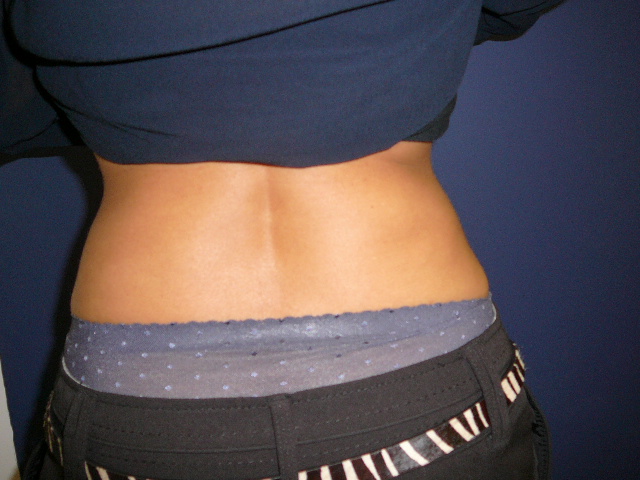
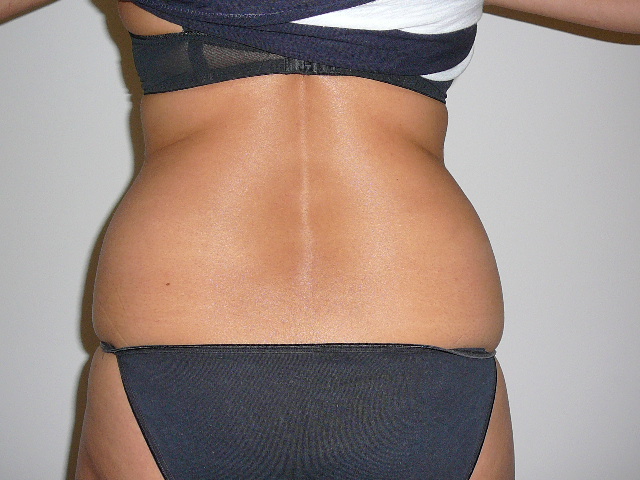
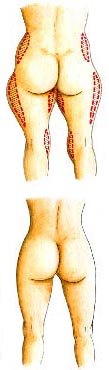
Liposuction (lipo) is a surgical procedure in which we reduce the subcutaneous fat layer by removing a certain quantity of fat from those places it tends accumulate in excess. Liposuction, however, is not a method for reducing excess weight in obese individuals. Neither is liposuction suitable for reducing subcutaneous fat over large areas, or where there are no fatty pockets (e.g. front thigh area, calf, upper abdomen, back), since in these cases the surface of the skin may become unevenly contoured, which can be a difficult to resolve. The quality, contractibility and elasticity of the skin are also very important to the final effect; if the elasticity and contractibility of the skin is insufficient – and these attributes decline with age – the skin may remain loose and sagging after the procedure. Therefore, it is necessary consider the extent of the procedure in relation to the patient’s age. Particularly suitable for liposuction are the following parts of the body: hips, lower abdomen, thigh in the region of the hips, inner and outer thigh and the inner side of the knee.It must be noted that the total quantity of fat removed during one operation should not exceed – ml (depending on overall body mass) because of possible complications to the patient’s overall health. However, the procedure may be performed more than once, even repeatedly. Like every kind of medical operation, liposuction has its own history of development, and even today continues its advance with the introduction of new technological opportunities presented by modern medicine. The principle of fat removal is retained in all these new methods, which differ only in the methods employed and opportunities presented to break up the fat layer.
The subcutaneous fat layer from where the fat is to be sucked away is first prepared by injecting a spray of pharmacologically treated liquid, which makes the subsequent removal easier, acts as an anaesthetic and reduces the minor loss of blood. With classic liposuction the fat is broken up by the mechanical movement of the cannula (straw-like suction device) and is simultaneously removed. The same method is used for tumescent liposuction, during which larger quantities of liquid are used. This provides sufficient anaesthesia and breaking down of the fat cells, making them easier to suck out. Vibration liposuction also relies on mechanical disruption of the fat layer, this time using a cannula with high-frequency vibrations. At the Asklepion Clinic we carry out either traditional vibration liposuction with tumescence or the latest method of radio-frequency liposuction, using a Body Tite device.
Traditional liposuction
Removes fat
Carried out under general anaesthetic, preceded by pre-operative examination
Fatty tissues are impregnated with tumescent solution
The solution facilitates fat removal – it separates the fat from the surrounding tissue
Tumescence reduces the risk of unevenness of the skin, bruising and bleeding
Fat is sucked out from beneath the skin using delicate cannulas
Cannulas are inserted through a small puncture or incision in the skin
Incisions are made in places that will later be covered by clothing
Scars are minimal, almost invisible
Immediately after the operation, a compression garment is worn over the liposuction area
The length of the procedure depends on the number and size of areas receiving liposuction
Body Tite radio-frequency liposuction
Removes excess fatty tissues
Simultaneously contracts the loosened skin over the liposuction area
The radio-frequency energy tightens the skin and reduces cellulite
Reduces swelling and bruising, remodels collagen
Carried out under local or general anaesthetic, depending on the extent of the treated area.
For optimal performance, the procedure is combined with tumescence
Fat is sucked out from beneath the skin using delicate cannulas
Cannulas are inserted through a small 5 mm incision
On the surface of the skin is placed the external electrode, while the internal electrode is inserted under the skin
The external electrode measures the temperature, just to ensure that the tissues are not overheated
Between the two electrodes is a radio-frequency current which causes lipolysis (destruction of fat)
Immediately after an operation, a compression garment is worn over the liposuction area
Body Tite also has special hand pieces for conducting liposuction below the chin (Neck Tite) and tightening the face (Face Tite)
Lipotransfer
A lipotransfer operation is carried out under general anaesthetic and lasts approximately three hours.
Fat is removed by liposuction from the chosen body area. This fat is then treated ‒ the fatty tissues undergo a series of processes – and fat cells and stem cells are separated out from unwanted and unsuitable materials.
The patient’s own fat, prepared in this way, is then used as extremely high-quality natural body-filling material.
The resulting solution is applied through small incisions to the breasts, hips or face.
Thanks to using the Cytori Puregraft system, we increase the number of cells that will prosper in the body.
After an operation, the body therefore only absorbs a maximum of 20% of the transferred fat.
Why use the lipotransfer method? Human fat is the very best implant, since the organism needs not accept anything foreign into its own body. The organism accepts its own body cells without difficulty. Because the application is carried out entirely through small insertions into skin, the convalescence period is very short (1‒2 weeks). The main advantage of the procedure is the natural appearance of the breast. In addition, breasts retain their softness.
Liposuction – when to operate? It is estimated that the creation of fat cells – in terms of number – stops sometime between the ages of 14 and 16. After that age, the fat cells take up more fat and increase in volume. This is the reason that liposuction is not appropriate for patients who are too young. The optimal patient age range is 18-35 years old.At a later age the risk of sagging skin and subcutaneous unevenness increases, which is why liposuction can only be carried out in the extent facilitated by the elasticity of the skin and overall skin quality. We would always choose the extent and method of liposuction individually in consultation with the patient.
Liposuction – a description of the procedure
Before the liposuction itself, we usually sketch the site from where fat will be removed as well as the extent of such area. Small scale liposuction or tumescent liposuction can be carried out under local anaesthetic or analgesia. Usually, however, the procedure is carried out under general anaesthetic.Depending on the method selected, we first apply the solution to the subcutaneous layer of fat and subsequently we proceed to actual fat removal. Operating incisions, 4-6 mm long, are made in areas that are least visible and are sutured after fat removal with special stitches. As soon as liposuction is complete, we dress the affected area with a compression garment.
Post-operative care after liposuction
If the liposuction is carried out under general anaesthetic, we generally discharge the patient to be looked after at home on the day after the operation. For 2-3 days after the operation, we strongly recommend staying at home and getting plenty of rest, only getting up and walking when essential (trips to the toilet, to get food etc.). If this advice is not followed then there is a risk of swelling in the lower limbs and an increase in the extent of bruising. At same time, body temperature may temporarily rise up to 38 °C for 1-3 days. Until the stitches are removed (7-10 days), if stitches are non-absorbable, we recommend only light exertion and gradual rehabilitative movement. Showering is possible 3-4 days after the operation. Compression garment should be worn for 6 to 8 weeks.
At the 7th to 10th day after the operation, the patient comes for examination, stitches are dissolvable. Scars should be covered with special stripes for 3 to 4 weeks, change them every week, the scars will be thin. You don't have to take off the strips to shower. For the first time, the stripes will be replaced during the first examinationDuring the first month following liposuction, we recommend taking off compression garments only for such time that is absolutely necessary for personal hygiene; additionally, it is necessary to use rollers to massage the treated areas, which is possible usually in about 4 weeks after the surgery.
During this time, it is not a good idea to expose to the sun’s rays those areas of skin where liposuction has been carried out. Healing bruises on the skin after liposuction can very easily and irregularly change pigment, and such changes in skin colour can persist for over a year. Four weeks after the operation the patient is given a check-up; generally, we recommend carrying on wearing compression garments for another 2-4 weeks during the day, especially if you are putting your body under strain - during exercise and playing sports. Three months after the procedure the patient comes in for their final check-up. After this length of time, it is possible to assess the success of the liposuction and the effects remain permanent from this point. This information refers to the usual course post-operative progress. Convalescence is an individual matter, however, and depends not only on the extent of the procedure and the individual’s propensity or opportunity to heal, but it also reflects how conscientious the patient has been with respect to their own recovery. Ensuring a positive outcome for the liposuction and mutual satisfaction with the result is the shared aim of the patient and the surgeon. Therefore, mutual trust and co-operation is a prerequisite for success.
The commonest complication after liposuction is unevenness of the skin that persists even after 3-4 months. This is caused either by a lack of elasticity of the skin, increased loss of fat cells after the procedure, or scarring beneath the skin. Post-operative care and massages are very important to minimize these symptoms. If such problems persist, they may be resolved by corrective procedures, which are suitable at the earliest 6 months after the operation. Lesser corrections can be made under local anaesthetic and subsequent convalescence is generally shorter with less onerous restrictions. Frequent liposuction complications such as bleeding and infections are these days minimized in the course of operations and through post-operative care (by administering antibiotics and drugs to limit subcutaneous bleeding).
Price
- Chin liposuction from 800 € LA
- Liposuction from 2 200 € GA
- Body Tite /skin tightening with radiofrequency method / from 500 €
Anaesthesia for this procedure
- LA
- local anaesthetic — You are awake; only the area being operated on is numbed.
- GA
- general anaesthesia — You are asleep for the whole procedure.